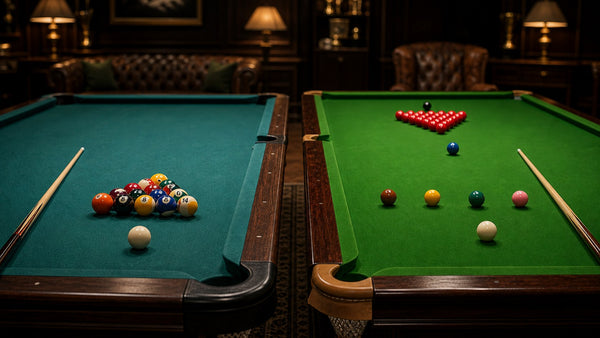
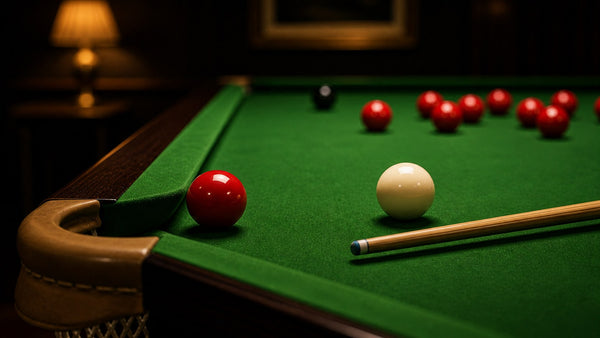
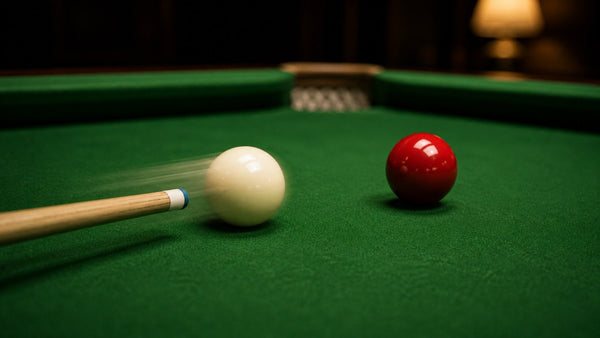
You searched for Where Do the Snooker Colours Go on the Table because you need a clear answer, not a rulebook argument. Cue sports are simple until one awkward shot, foul or buying choice turns the table into a debate.
This guide gives the direct answer first, then the practical detail: what it means, how to apply it, what beginners get wrong and how to make the next game easier.
Primary intent: The reader is new and wants the rule explained without jargon.
Related searches covered: snooker rules, cue ball control, snooker cue, break building, safety play, rack, spots, triangle.
Where Do the Snooker Colours Go on the Table: the simple rule first
Quick answer: Where Do the Snooker Colours Go on the Table is best understood by separating the rule, the penalty and the practical effect on your next shot. That prevents most beginner confusion.
Most confusion in snooker comes from mixing up three things: the target ball, the result of the shot and the penalty if something goes wrong. Keep those separate and the rule becomes much easier to apply.
Last checked: 27 June 2026. Always follow the rule set used by your venue, league or tournament, because pub rules, blackball, American pool and snooker match rules can differ.
How it works in a real game
- Identify what ball or group is legally on before you play.
- Check whether the cue ball must hit a specific ball first.
- Watch what is potted, what stays on the table and whether a foul has happened.
- Apply the penalty only after agreeing which rule set is being used.
Pro tip: Before a casual game starts, agree the foul rules, black-ball rule and whether you are playing two shots or ball in hand. That 20-second conversation prevents most arguments.
Common mistakes beginners make
- Assuming every venue uses the same rules.
- Only watching the potted ball and ignoring which ball was hit first.
- Forgetting that cue-ball position after a foul can be more valuable than the penalty itself.
- Copying televised professional rules in a casual format that uses local rules.
A practical example
Imagine you are unsure whether a shot is legal. Do not start with the outcome. Start with the ball on. If the cue ball hits the correct ball first and no illegal pot or contact follows, the shot is usually fine. If the first contact is wrong, it is usually a foul even if the pot looked impressive.
How to remember it
Use the three-part check: target, contact, consequence. Target tells you what you should hit. Contact tells you whether you hit it first. Consequence tells you what happens next.
How to judge the table question properly
Most table decisions are really space and consistency decisions. Size matters, but so do access, floor support, cloth condition, cushion response and the amount of cueing room around the table. A table that looks impressive can still play badly if it is squeezed into the wrong room or left poorly levelled.
Think about the table as a playing environment rather than a single object. The balls, cloth, cushions, lighting and cue clearance all affect whether practice feedback is trustworthy. If the cue ball rolls offline because the table is not level, you cannot confidently diagnose your own technique.
Useful checks before committing
- Measure cueing space: include the backswing, not just the table footprint.
- Check access: stairs, doorways and tight corners can decide whether installation is realistic.
- Assess the room: garages and outbuildings can create moisture and temperature problems.
- Plan maintenance: cloth care, brushing, covering and occasional levelling all matter.
What better players notice
Better players notice table speed quickly. They adjust pace for slower cloth, livelier cushions or tighter pockets. Beginners often blame aim when the real issue is pace. If the table is different from the one you usually play on, spend a few minutes testing soft rolls, cushion response and medium-pace pots before judging your game.
Practical next step
If you are buying or setting up a table, sketch the room and mark the cueing area on all four sides. If you are practising on a shared table, use the first five minutes to learn its speed. Either habit gives you better decisions than guessing.
One final check is to compare the advice against your most common playing situation. Advice that works in a quiet practice room may need adjusting in a busy club, on a faster table or under match pressure.
If the same mistake keeps appearing, do not add more changes. Simplify the situation, repeat it, and make one adjustment at a time until the pattern changes.
That is the practical value of going deeper: you are not collecting theory, you are reducing uncertainty before the next shot or purchase.
What to do if you are still unsure
If two options still look equal, choose the one that gives you the clearest feedback. In practice, that usually means the simpler shot, the more standard equipment choice or the table setup that lets you repeat the same conditions.
Clear feedback is underrated. It tells you whether the miss came from aim, pace, cue delivery, table conditions or decision-making. Without that feedback, every adjustment becomes a guess.
How this helps over several sessions
The first session gives you a baseline. The second session shows whether the same pattern appears again. The third session tells you whether your adjustment is becoming reliable. That is enough structure for most players to improve without making the game feel overcomplicated.
For equipment topics, use the same approach. Test the problem, change one variable, and judge the result over more than one game. A cue, tip, chalk or table accessory should solve a specific issue, not create a new habit to compensate for it.
Match-day checklist
- Know the rule or buying priority before you start.
- Check the table, balls, cue tip and available space.
- Choose one measurable outcome for the session.
- Review what changed before making another adjustment.
This keeps the advice practical. You get a clear next action, a way to measure it, and a reason to keep or discard the change after the session.
That is also how you avoid chasing random tips. Good cue-sport improvement is rarely dramatic. It is usually a series of small decisions that make the next shot easier and the next session more predictable.
How to use this guide next time you play
Before your next frame, choose one idea from the guide and make it your only focus. If the topic is equipment, check whether the cue, tip, chalk, balls or table condition is helping or hiding the problem. If the topic is technique, test the idea on a repeatable shot before trusting it in a match.
After the frame, review the evidence rather than the emotion. A missed pot can still be a good decision if it left the cue ball safe. A successful pot can still be a bad habit if it relied on luck, excessive pace or poor position. That distinction is what turns ordinary table time into useful practice.
Useful next steps
If you are sorting kit as well as learning the game, start with our snooker balls, table accessories, snooker cues.
Bottom line
Where Do the Snooker Colours Go on the Table is best understood by separating the rule, the penalty and the practical effect on your next shot. That prevents most beginner confusion. Confirm the exact rule set before competitive or pub play, then use the target-contact-consequence check to make decisions at the table.
Next step: Browse the rest of The Break Room for more pool, snooker and cue-sport guides, then use one idea from this article in your next frame or rack.
FAQs
Do all venues use the same rules?
No. Formal competitions use defined rules, but casual venues often use house rules. Agree the format before the first break.
What is the easiest way to avoid rule arguments?
Agree fouls, black-ball rules, ball in hand or two-shot penalties, and any local variations before play starts.
What should beginners learn first?
Learn the legal target, what counts as a foul and what happens after the foul. That covers most real-game confusion.
Are pool and snooker rules similar?
They share cue-sport principles, but scoring, table size, ball order and penalties are different enough that you should learn them separately.
Where should I check formal rules?
Use the relevant governing body or league rules for competitions, and the venue rules for casual matches.